How to Create the Most Effective 90-Minute Elementary Math Block
To this day, I still can’t believe how much work goes into planning just one day of elementary math lessons. I spent my entire first year teaching strategizing ways that I could reduce my prep work in math and enjoy teaching it all at the same time.
With all of the different representations students are expected to know, I always felt like I was rushing through the math standards and just skimming the surface so that I could cover everything I needed to by the end of the school year. The system that was in place with textbooks, worksheets, and math centers just wasn’t working for me or my students. I was determined to find a better way to teach elementary math.
By establishing an effective 90-minute math block schedule and creating math lessons tailored to visual learners, my students experienced tremendous growth and success! In this blog post I’ll teach you:
What an effective whole group lesson looks like
Replacing math centers with math games
Ways to create impactful small group lessons
So if you’ve been given 90 minutes to teach math, and you feel like that’s just not enough time to dive deep into each skill, you’re not alone! Let’s get started.
What an effective whole group lesson looks like
Students have a fairly short attention span, so your whole group lesson should be no more than 30-minutes. Typically, teachers start with concrete models, then move on to visual models, and finally teach abstract concepts using numbers and symbols. The reality is there just isn’t enough time to go through each of these learning phases and get through all of the content by the end of the school year.
The best decision I made as an elementary math teacher was teaching my whole group lessons using visual representations instead of starting with concrete models. By doing so, I was able to reach as many students as possible in a short period of time, and if any students were not understanding the content, I’d pull them for a small group. That’s where I incorporated concrete models to catch those specific students up to speed (more on that later).
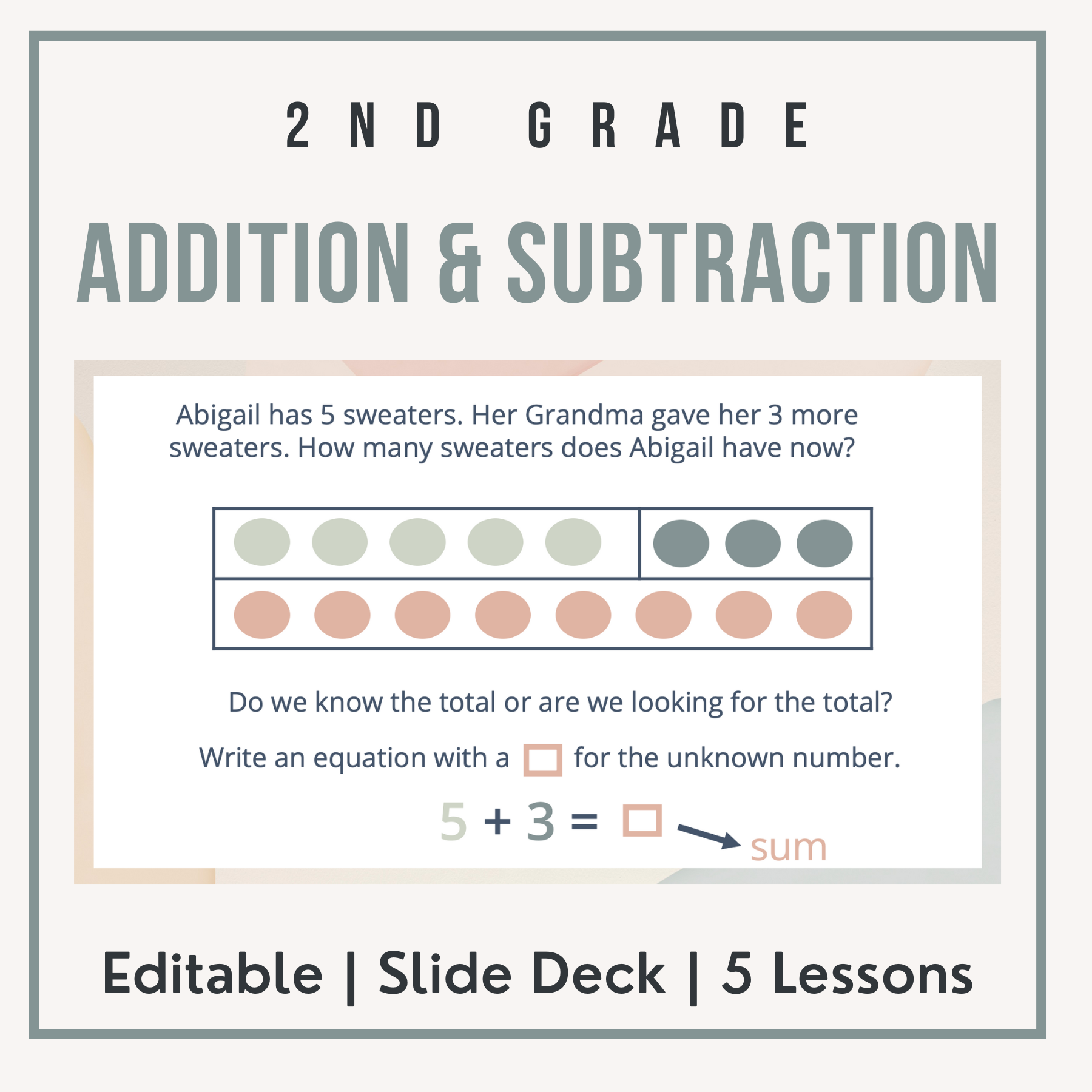
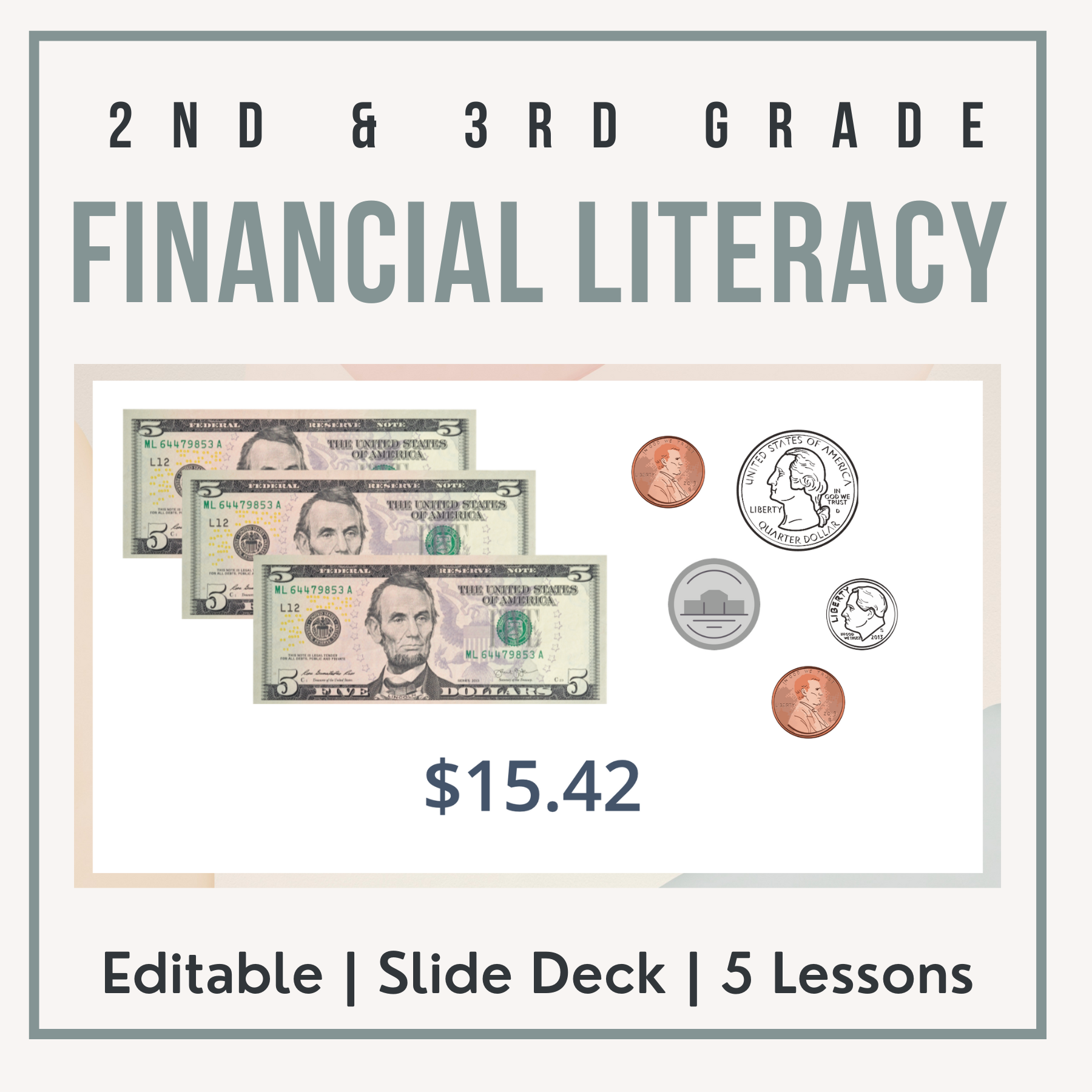
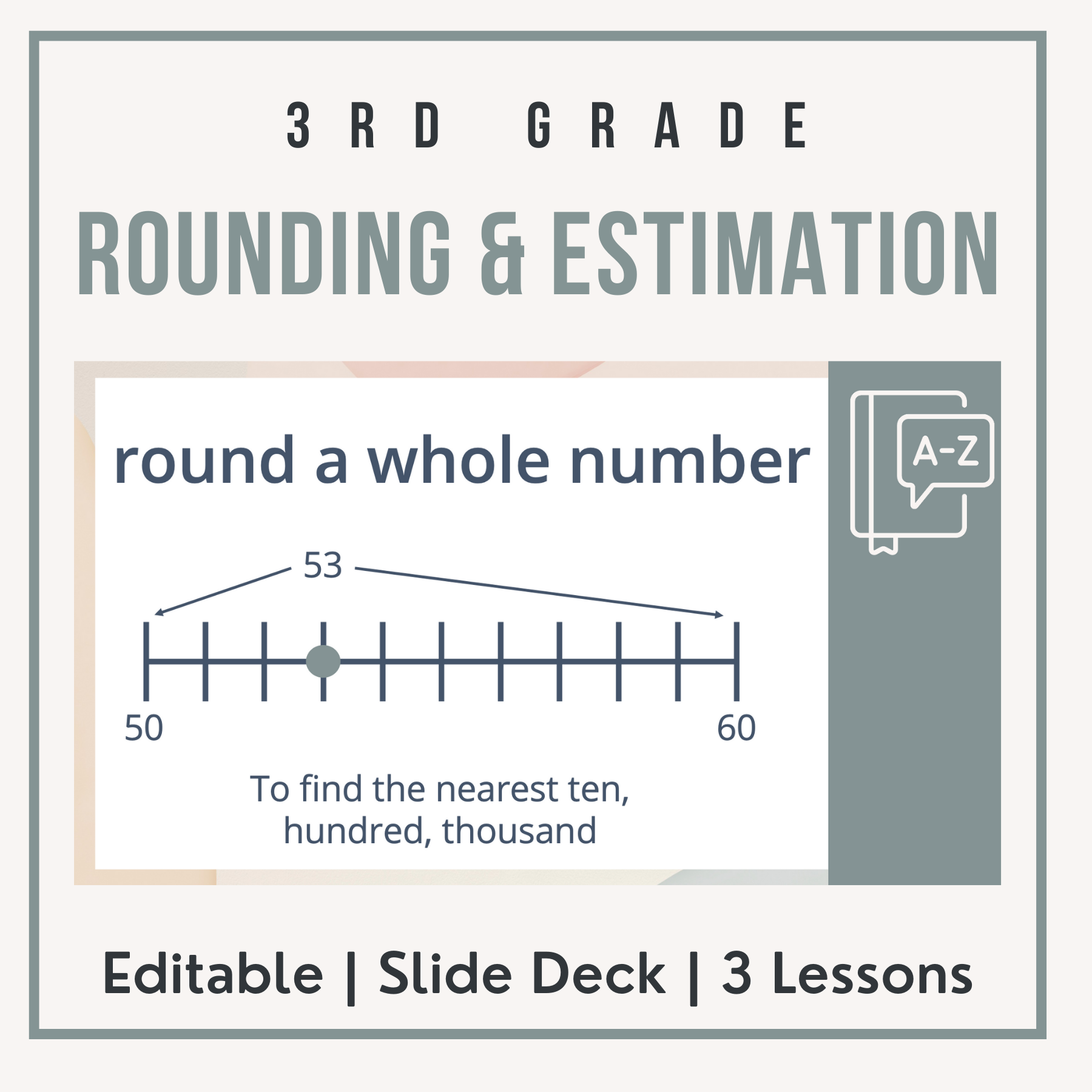
So how did I do all of this in just 30-minutes? I created incredibly effective math lessons using powerpoint presentations. By incorporating animations with my students’ names and interests, I was able to get through more content than ever before because my students were incredibly engaged with the lessons. They absolutely loved learning about math problems related to them and their lives!
I also eliminated exit tickets and worksheets and instead added checks for understanding directly on my slides. Students would respond to the questions on their mini whiteboards and I could quickly glance around the room to see who needed help and who was understanding the lesson. This is how I identified students for small groups. This strategy saved about 10-minutes of class time (where I would normally have an exit ticket) that I could devote to small groups, and I no longer had to spend time creating exit tickets and making copies. It was a win win!
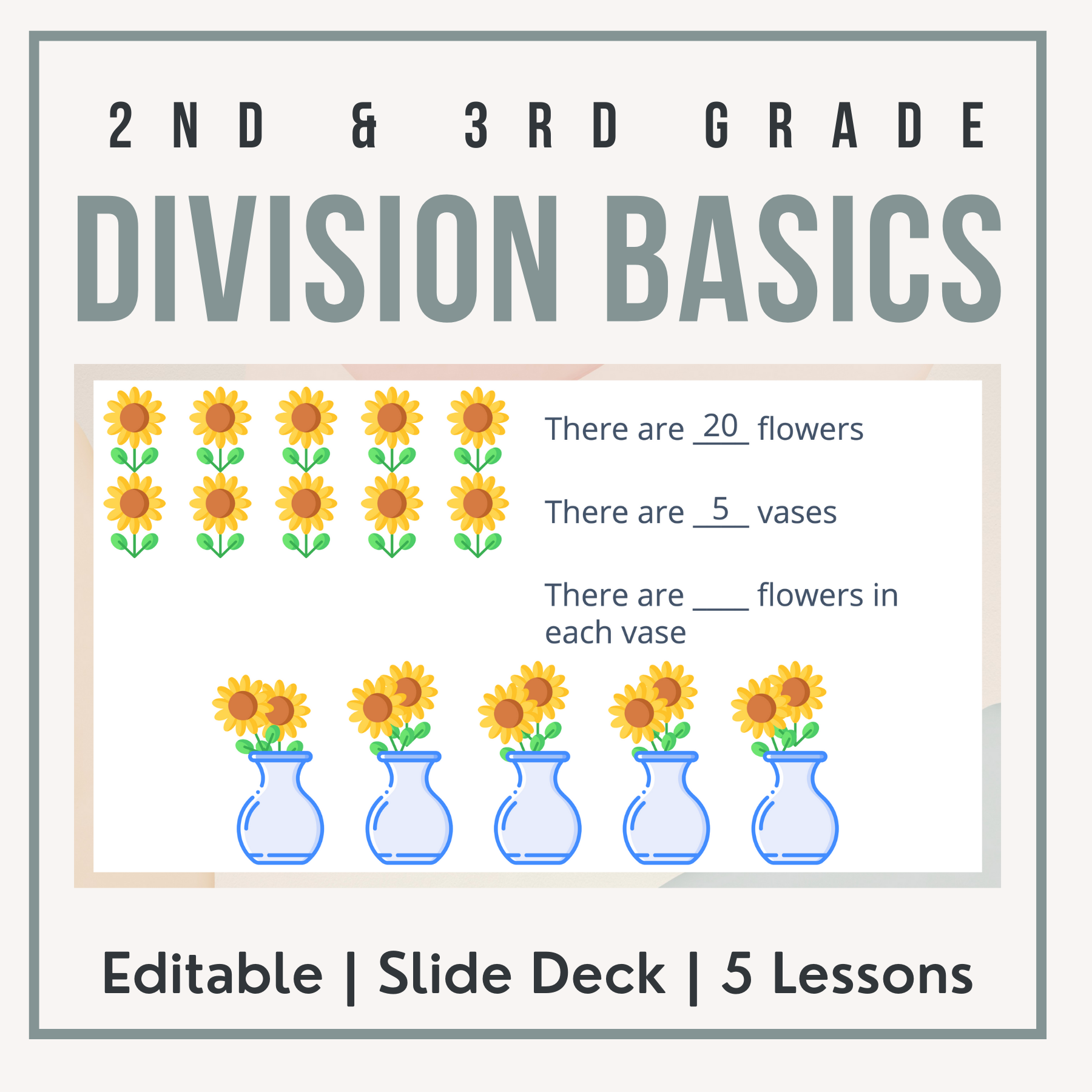
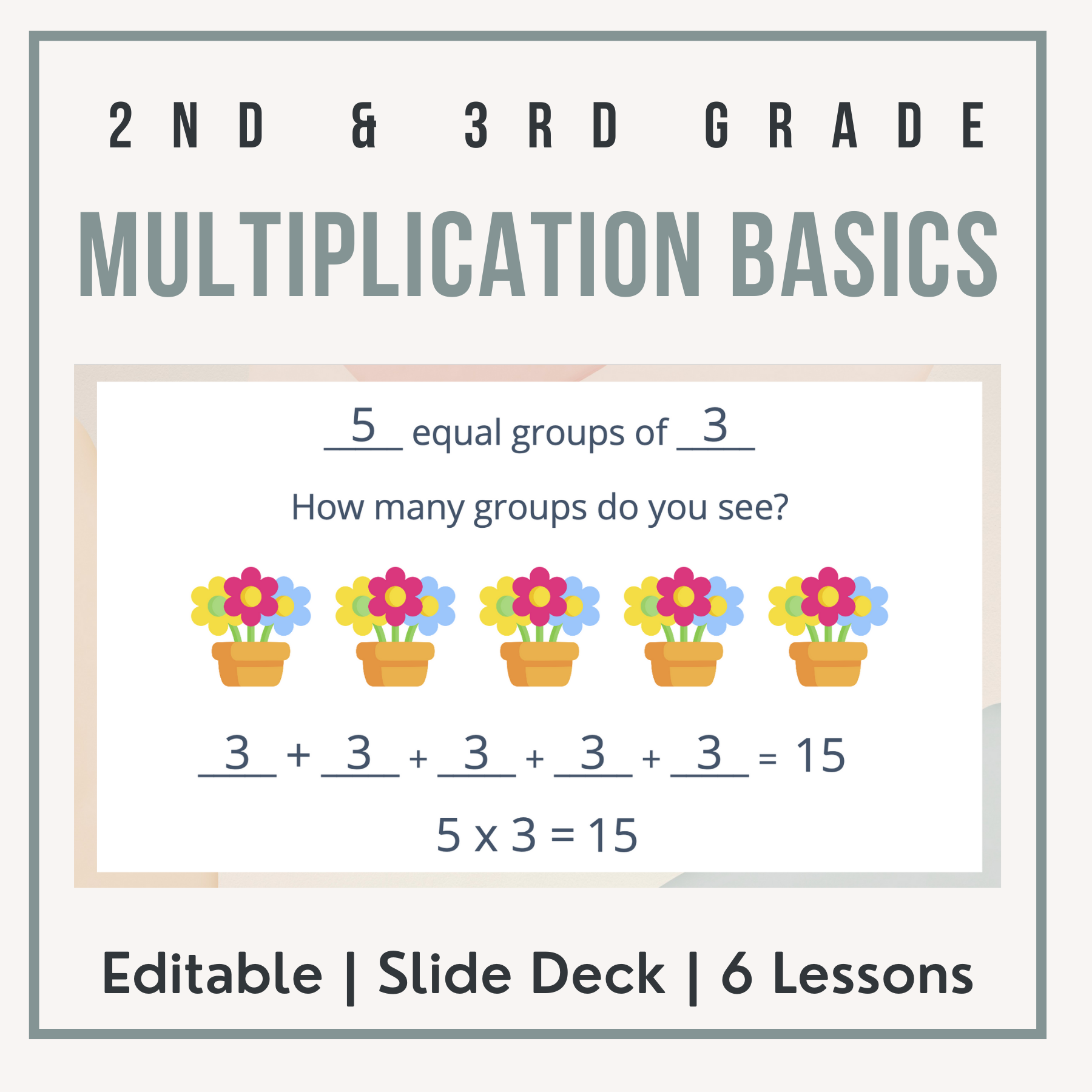
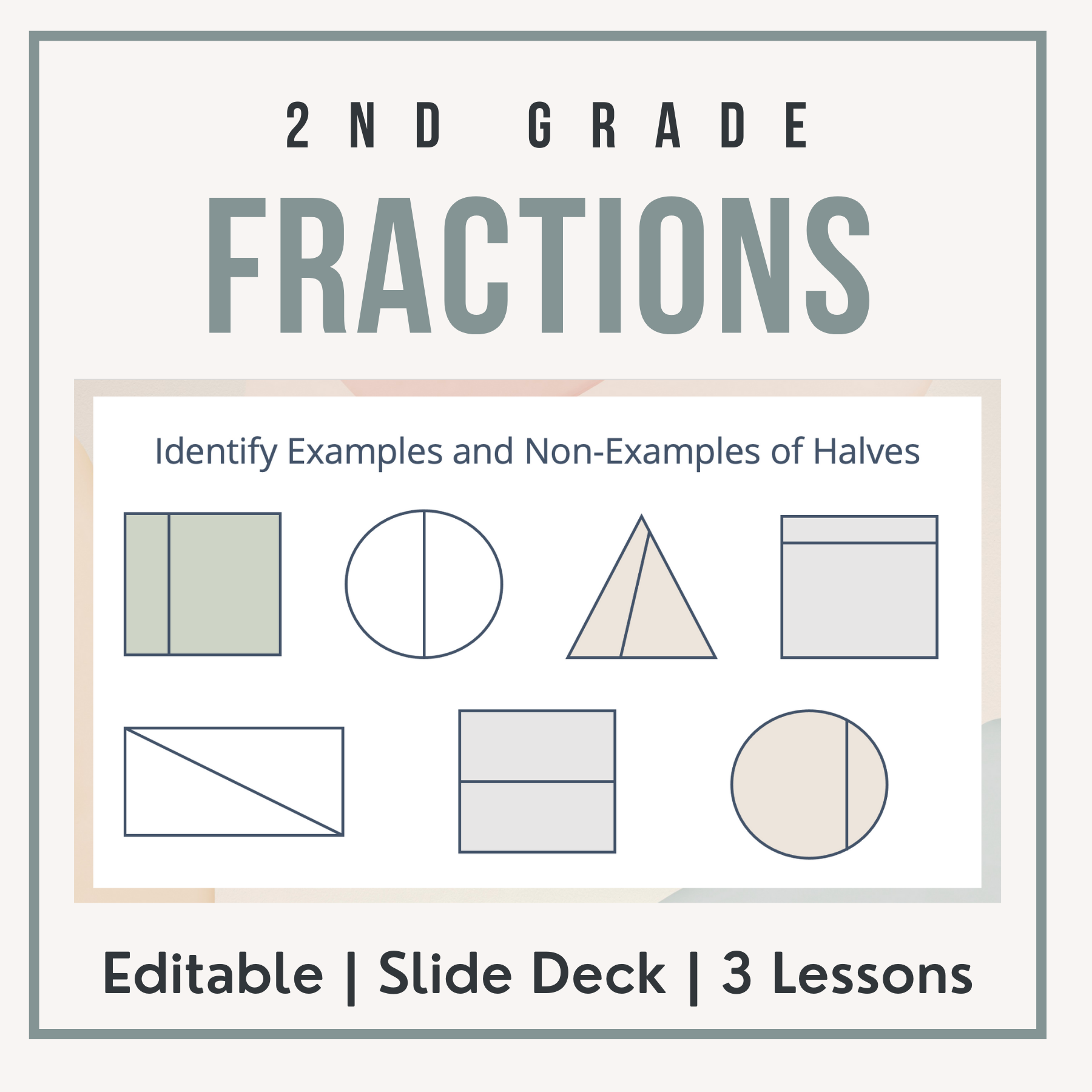
If you are interested in trying these strategies with your students, be sure to check out my elementary math lessons! These are the exact lessons I used with my students and they are editable. You can use them exactly how they are (no prep work - just download and teach), or you can incorporate YOUR students’ names and interests if you want to!
You can pick and choose the topics you want, or bundle and save 20% when you buy an entire year's worth of second grade and third grade math lessons! I have no doubt your students will love these lessons as much as mine did!

Replacing math centers with math games
A huge component of being able to conduct small groups is to make sure the rest of your class is engaged in a relevant activity to avoid constant interruptions. I found math centers way too difficult to plan for. I never had enough time to explain to students what to do at each one, and I wasn’t able to monitor the students to see if they were doing the activities correctly. I wondered how much incorrect learning was happening and how I was going to catch their mistakes if I wasn’t constantly walking around the room and watching their every move.
So instead I decided to implement math games. This was a much more efficient use of my time because I only had to set up one game for the entire class, and students could ask each other for clarification instead of coming to me since they were all playing the same game.
Things to consider when implementing math games:
Pick a game that is a review of a previously taught skill or one that relates to the whole group lesson.
When introducing a new game, teach students how to play right after the whole group lesson gets done. Have students play that game for a few days before introducing the next one.
Students can either play the same game throughout the week to reduce your prep work, or once students learn how to play multiple games, you can rotate through those during the week.
Have extra game supplies somewhere in your classroom so students can grab them easily if they run out.
Most games are played with partners, so have a system ready for them to pair up easily.
Create a class poster, “What do I do when I’m finished?” and list several things students can do independently if they finish playing the game early.
Ways to create impactful small group lessons
This leads me to one of the most important aspects of your 90-minute math block - small groups! Try to have two small groups each day (each one can be 20-30 minutes). You will not be able to meet with every student every day in a small group and that is OK. Don’t stress yourself out trying to make it happen because it won’t! Quality is better than quantity in this case. With how much testing my school did I was only able to get through one small group on Fridays and I still saw student growth, so even one small group is better than none.
Small group lessons are where you should spend most of your time planning for elementary math. Remember those cute math centers and hands-on activities you tried during your whole group lesson? They do have a place in your math class and it’s here - during small groups. They are so much more effective when you can sit down with four or five students at a time and really help them engage with the manipulatives and activities properly.
Unlike reading where we typically work with the same groups of students for weeks at a time, keep your small groups in math fluid. Identify the students who need small group support during your whole group lesson based on how they are answering checks for understanding, and simply pull those kids for a small group as soon as the whole group lesson is done. No need to look at data from exit tickets and create groups that way because by the time you do, you’ll already be moving on to the next topic and students will continually fall behind.
The key to my success as an elementary math teacher was creating effective whole group lessons that allowed me to identify students in need of small group support in real-time. These lessons are ready to go so all you have to do is download the presentations and teach!
For a limited time, bundle and save 20% when you buy an entire year’s worth of second grade and third grade! Make the investment in getting time back for yourself with engaging math lessons your students will love!
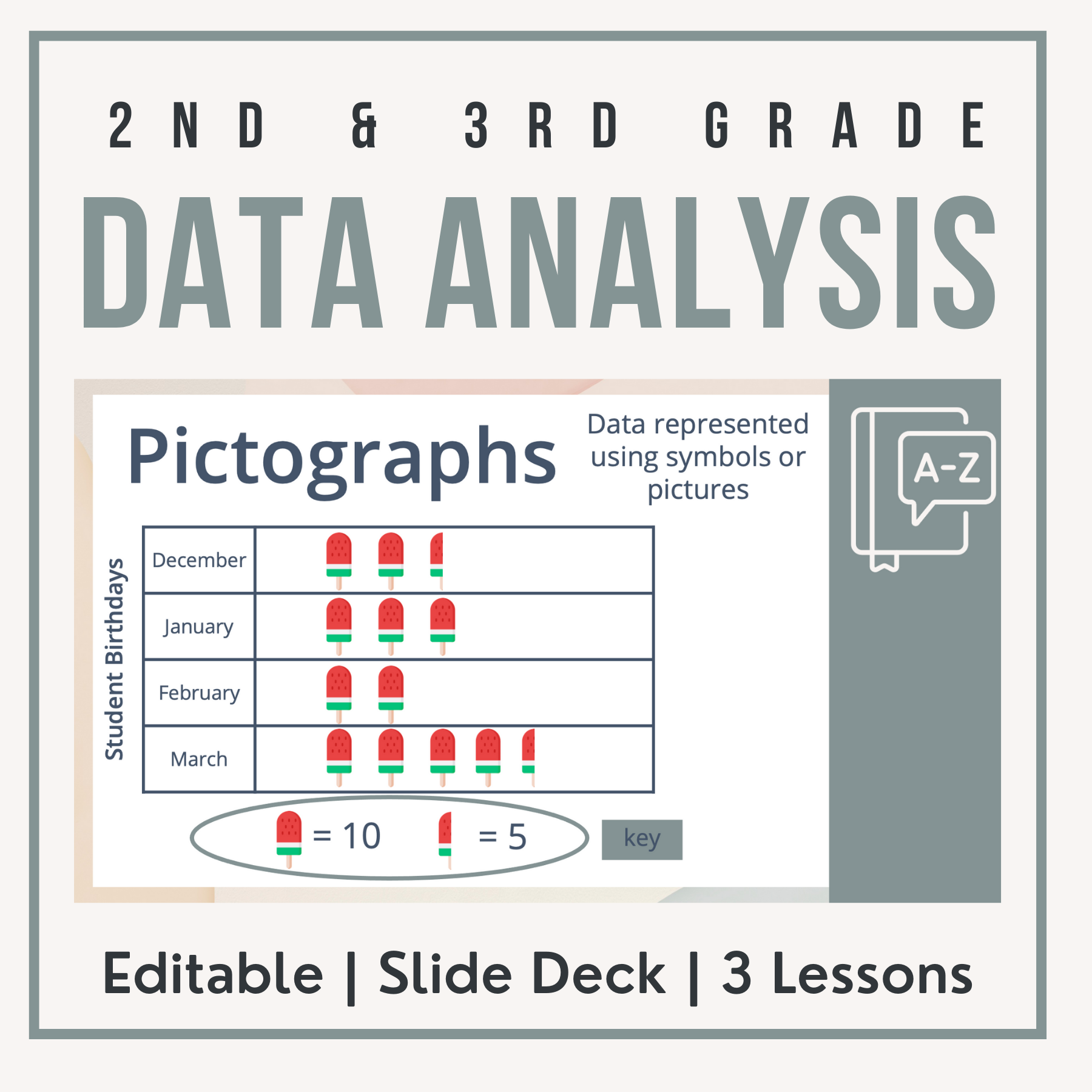
Be sure to also download my FREE elementary math vocab cards with tips on how to teach and incorporate math vocabulary in your classroom. Use the form below to get instant access!